


Every year, design evolves. But not every shift is worth chasing.
As we move into 2026, the creative landscape is being shaped by a tension we see everywhere: the push for faster, bolder, more automated output—balanced against a growing desire for clarity, humanity, and intention. The result isn’t one dominant style, but a collection of movements that reflect how organizations are trying to connect more meaningfully with their audiences.
Our Design Trends 2026 Forecast was created to help teams make sense of that moment—not as a list of fads, but as a strategic lens for decision-making.
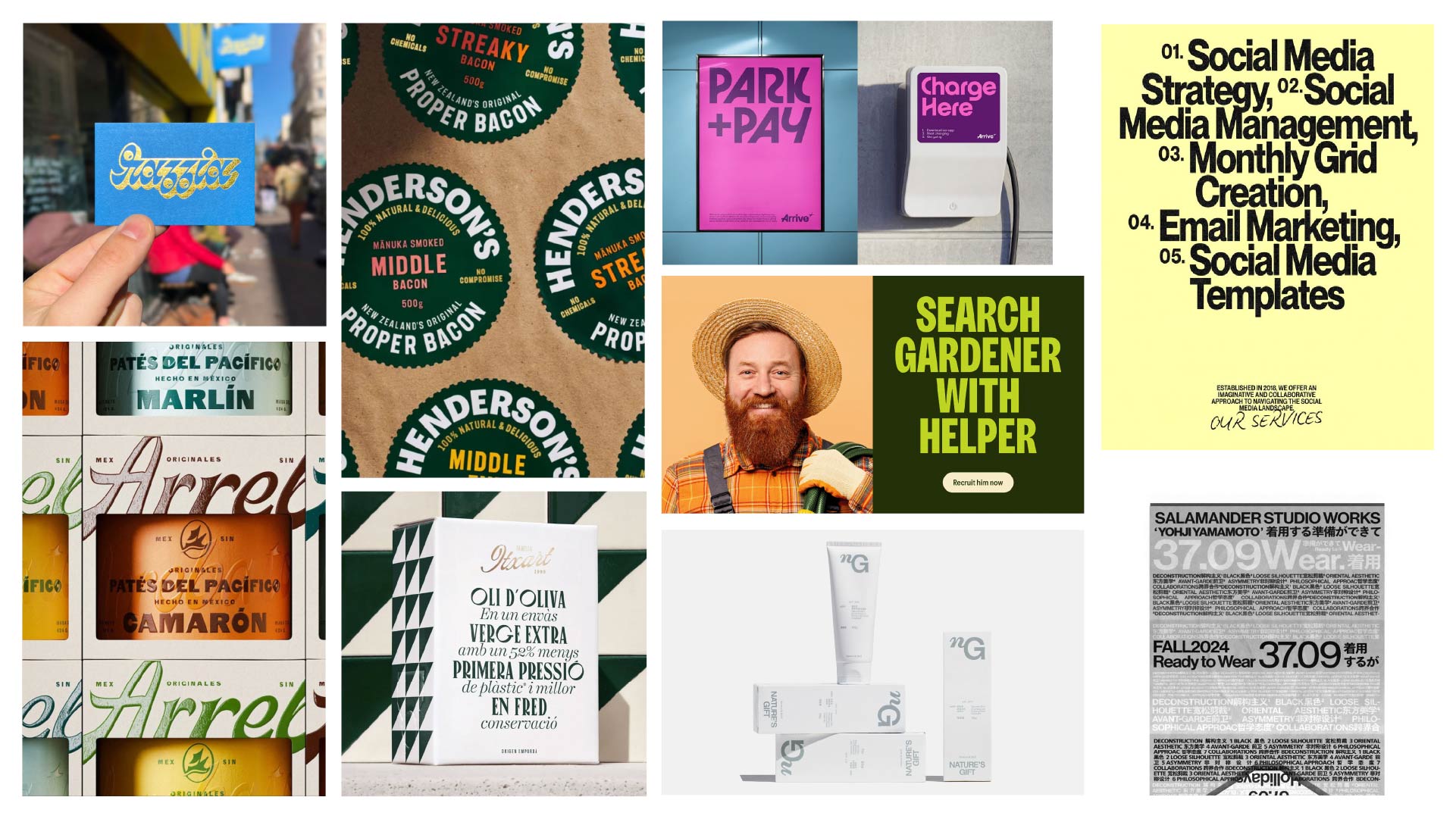
One of the clearest themes across 2026 is a move away from isolated visuals toward cohesive systems. Typography is no longer just a design choice—it’s becoming a brand system. Layouts are increasingly modular, built to flex across platforms and formats. Minimalism isn’t about removing personality; it’s about making space for what truly matters.
These shifts reflect a broader truth: strong brands aren’t built from one-off executions. They’re built from repeatable, intentional frameworks that scale.
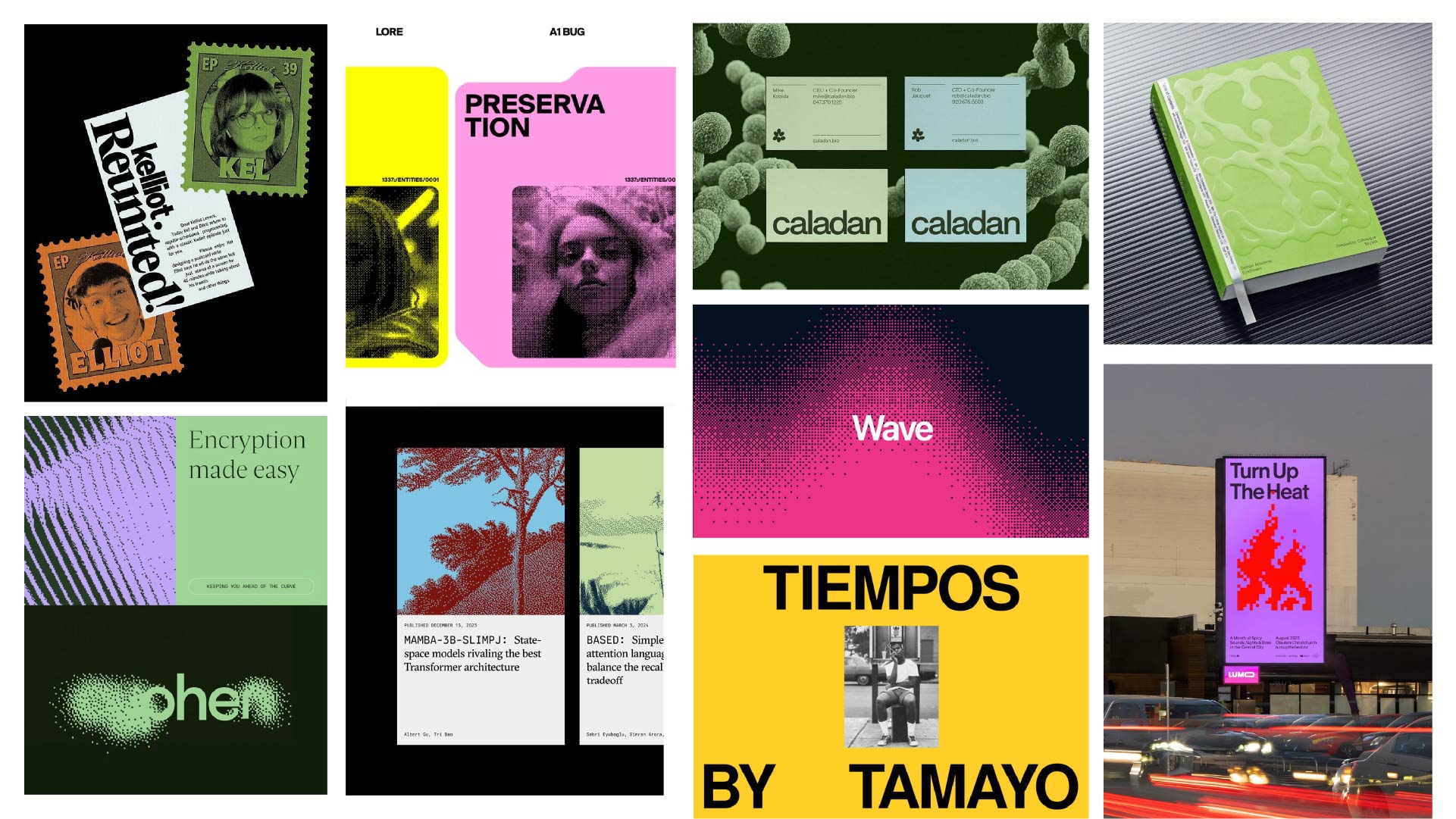
At the same time, we’re seeing designers reintroduce warmth and imperfection. Soft gradients, grain, playful illustration, and even punk-inspired textures are all responses to an overly polished digital world. These approaches bring emotion back into the work—when used with restraint.
The takeaway isn’t to make everything loud or nostalgic. It’s to recognize that people respond to design that feels considered, tactile, and human.
What makes 2026 especially interesting is the coexistence of opposites:
Rather than canceling each other out, these contrasts give brands more tools—if they’re used with clarity and purpose.
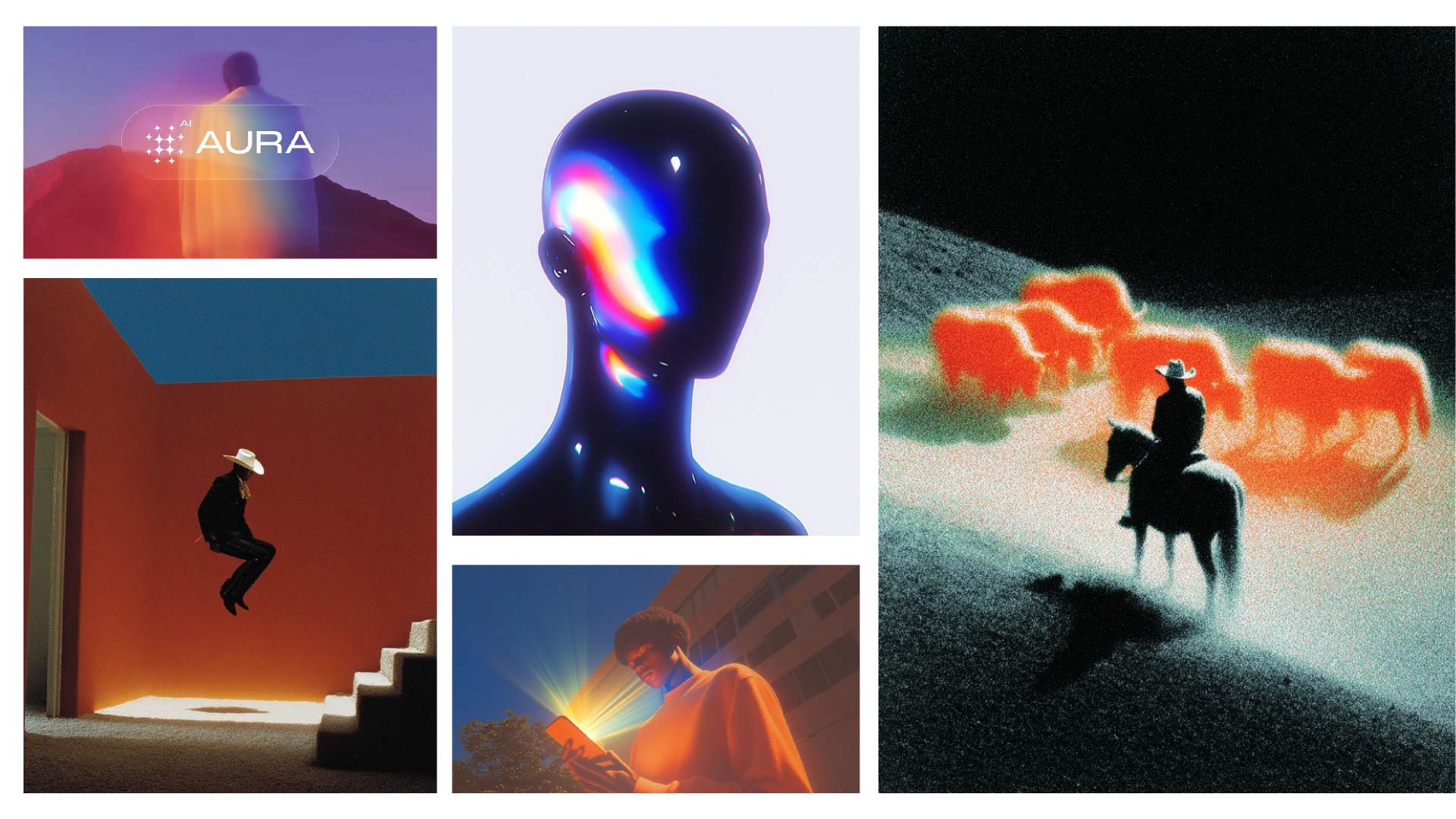
AI realism is one of the most powerful—and misunderstood—forces shaping design today. In our forecast, we approach it not as a shortcut, but as a tool. When used transparently and intentionally, AI can help visualize ideas, explore concepts, and expand creative possibility. When used carelessly, it risks eroding trust.
The difference is strategy.
"Stay ahead of the curve, discover emerging trends."
This study isn’t meant to tell you what your brand should look like. It’s meant to help you ask better questions:
If the answer is yes, it’s worth exploring. If not, it’s okay to pass.
The full study dives deeper into each trend with visual references, context, and practical guidance for applying these ideas thoughtfully.
👉 View the full Design Trends 2026 Forecast
If you’d like help translating these trends into something actionable for your brand, we’d love to help you think it through—intentionally.

