


Welcome to the new frontier of creativity. As we venture into 2025, the creative industries—spanning design, branding, UX/UI, video production, post-production and photography—are undergoing transformation at a pace unseen in previous years. In this article, we’ll explore the key trends that are shaping the way we create, communicate and connect. Whether you’re a brand strategist, a UX designer, a videographer or a photographer, these insights will help you stay ahead of the curve.
Artificial Intelligence is no longer simply a tool for automation; in 2025 it is becoming a collaborator. Designers are shifting from “let the AI do it” to “let’s work together with AI”. The value lies in how we harness AI-generated ideas, iterate with them, and infuse them with human insight.
For video and post-production, generative models are enabling new kinds of motion graphics, virtual sets and real-time compositing. In photography, AI is being used for creative retouching, scene generation and hybrid workflows (human + machine).
Tip: Try embedding a “creative prompt session” into your workflow: human brainstorm → AI variant generation → human edit & refine. The goal is co-creation, not substitution.
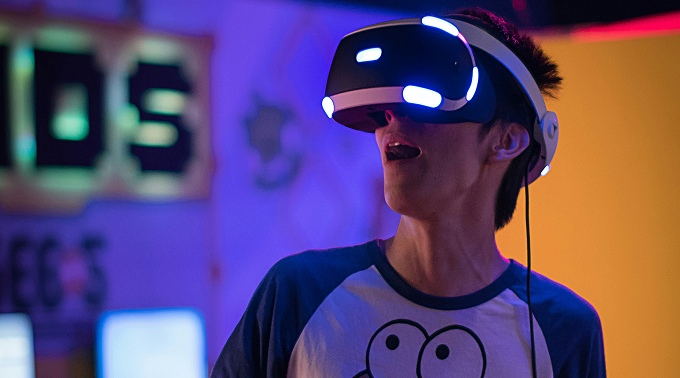
Welcome to the new frontier of creativity. As we venture into 2025, the creative industries—spanning design, branding, UX/UI, video production, post-production and photography—are undergoing transformation at a pace unseen in previous years. In this article, we’ll explore the key trends that are shaping the way we create, communicate and connect. Whether you’re a brand strategist, a UX designer, a videographer or a photographer, these insights will help you stay ahead of the curve.
Welcome to the exciting world of creativity! As we step into 2025, the creative sectors—including design, branding, UX/UI, video production, post-production, and photography—are evolving faster than ever before. This article will delve into the major trends influencing how we create, communicate, and connect. Whether you’re a brand strategist, UX designer, videographer, or photographer, these insights will keep you ahead of the game.
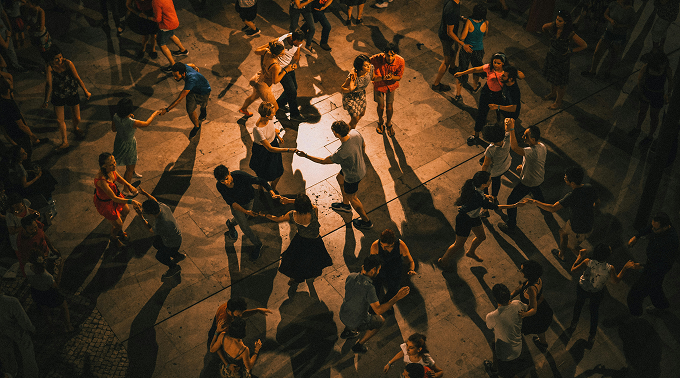
The barrier between “static design” and “dynamic experience” continues to blur. In UX, we’re seeing micro-interactions, responsive motion, and storytelling baked into interfaces.
In video/post-production, immersive formats (AR, VR, 360°) and interactive storytelling are gaining traction. Photography is no longer confined to the still frame—it lives in feed, screen, ambient projection.
Takeaway: Think beyond flat visuals. How does a user interact with the brand or image? How does the motion unfold? How does the narrative invite participation?
“Lorem ipsum dolor sit amet consectetur. Faucibus sodales tristique quam
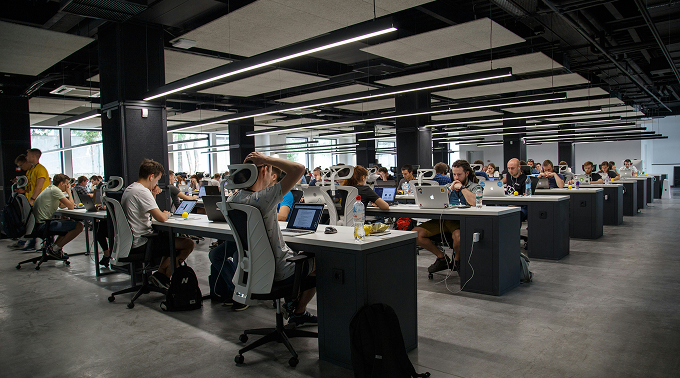
2025 places a heavier emphasis on responsibility: sustainable materials, equitable representation, accessibility, ethical data use.
For brands, this means design decisions that align with values; for creatives, workflows that consider environmental impact, inclusive imagery, and equitable user-experience.
Practical move: Audit your project for accessibility (WCAG, alt-text, motion sensitivity), and material impact (eco-friendly print, digital efficiency). Ask: who is excluded by this design? How can they be included?

